The human mind, and its nervous system, are staggeringly impressive.
For those of us with typical sensory access, this framework is familiar:
1. Sight
2. Smell
3. Hearing
4. Touch
5. Taste
But I only recently came to appreciate that neuroscience recognizes at least five more:
1. Proprioception – the awareness of body position and movement without looking (e.g., knowing where your hand is in the dark)
2. Equilibrioception – our sense of balance and spatial orientation
3. Thermoception – sensing heat and cold
4. Nociception – perceiving pain
5. Interoception – sensing internal bodily states like hunger, thirst, heart rate, or fullness
Even more fascinating: scientists are now debating four additional senses that remain controversial but compelling:
1. Chronoception – the perception of the passage of time
2. Magnetoreception – some evidence suggests humans may perceive Earth’s magnetic fields
3. Chemoreception – the detection of chemical stimuli, such as CO₂ levels in the blood
4. Stretch receptors – in organs like the stomach and lungs to detect internal pressure or fullness
I learned all of this while researching a curious question:
Could memory be a kind of sense?
After all, some memories feel so vivid I can see them, hear them, even feel them. They can bring tears, joy, even physical reactions.
But scientifically-speaking, memory isn’t considered a “sense”—because senses perceive real-time stimuli, while memory is a reconstruction of past experience.
And yet…
Memory activates many of the same brain regions as direct perception. When we recall a moment, our minds can reimagine the light, the sound, the feeling. It’s not perception—but it’s astonishingly close.
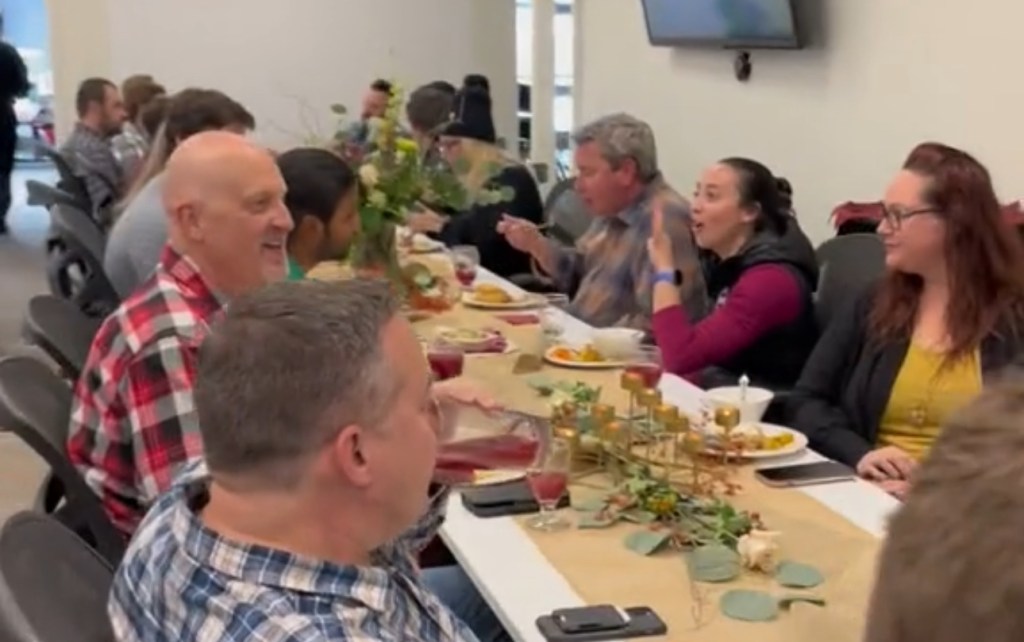
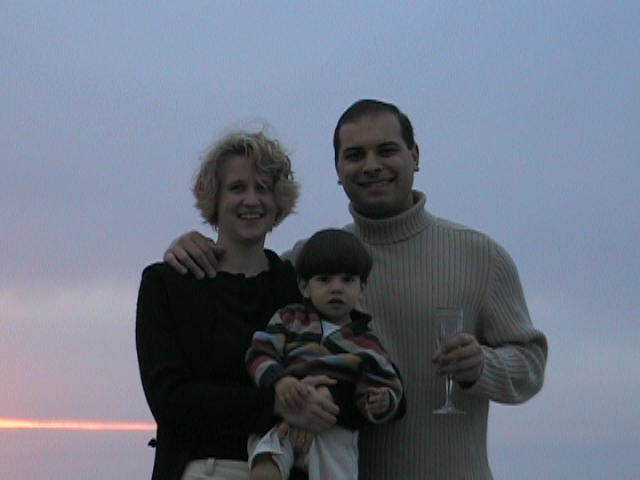
This video is from nearly 1,000 days ago, but I still feel this moment.
I miss it. It was special.
And I’m grateful that my memory still carries its senses.

Hello!
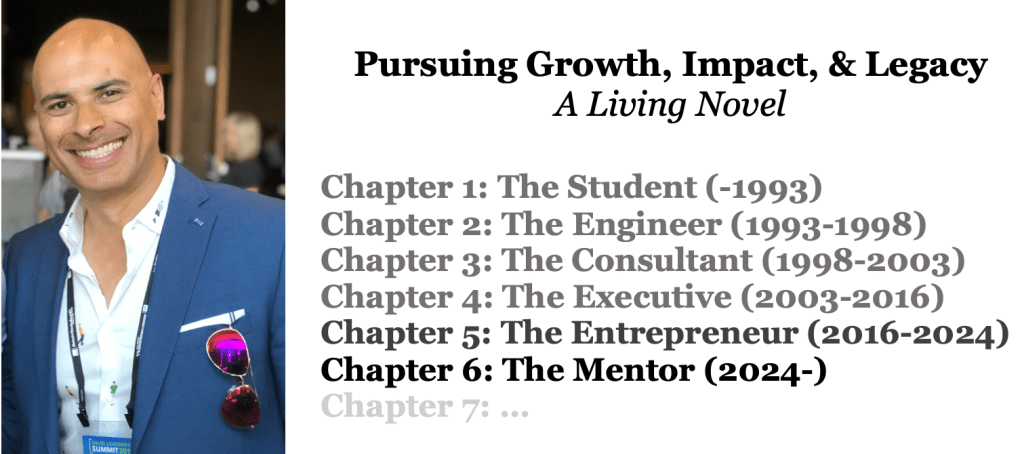
I’m Bassam
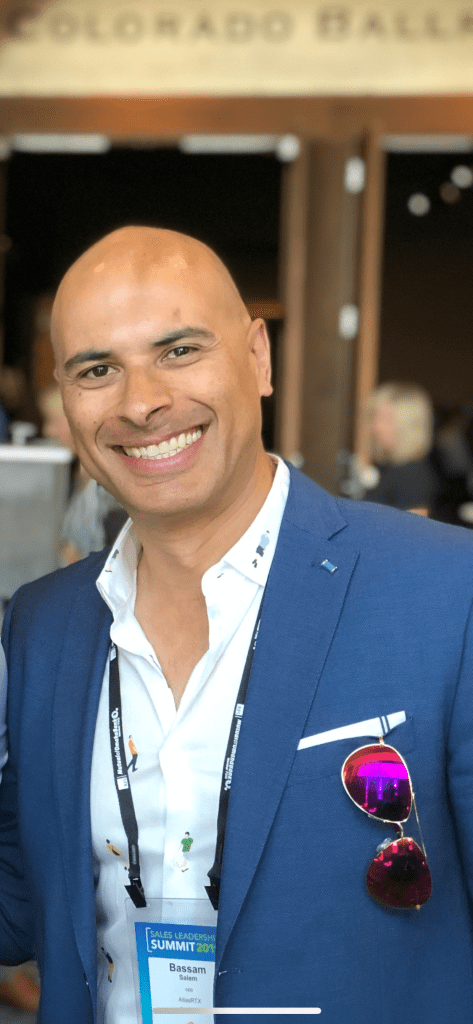
I was born in Egypt, lived in France & England as a child, and came to the United States as a teenager to study Computer Science and Business at the University of Utah. After decades in the tech industry, I’m focused on community, mentorship, and impact.
Join the fun!
Receive posts as soon as they’re published!
 Against the Herd
Leave a comment